
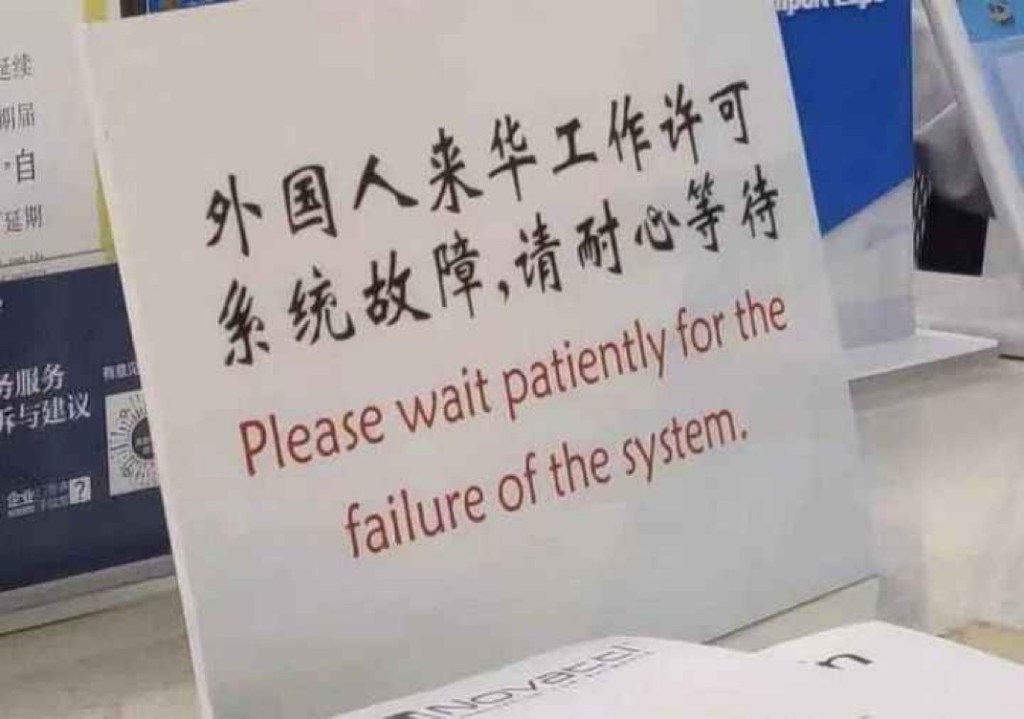
There is a problem in the influencer sphere, and the launch of the Switch 2 has made it clear. I’m not putting a specific influencer on blast, considering that this is a problem that’s not limited to just one. Perhaps you can think of some examples. But what I’m getting at is that many influencers out there, perhaps most, aren’t even real.
If you’ve been following along with the Switch 2, it’s likely that you’ve seen a few influencers find one problem or another with the system. One of them in particular has gone on to say that they wouldn’t even purchase one.
But he did. And not just him, but numerous other influencers who likewise spoke of the hybrid console as though it were the worst console in their lifetime.
Obviously, these people didn’t believe what they said. These people are disingenuous. And the reason why these people act as disingenuously as they do is because they are incentivized by the algorithm.
The fact is that the algorithm tends to promote negativity in its many forms. Did you get recommended a short video of a fistfight that broke out in a bodega? Or a list of mistakes that were made by a multinational corporation? Or did you stare with indignation at a confrontation with an obvious imbalance of power?
That’s the algorithm pushing negativity onto you. But it doesn’t do so for no reason. In fact, the algorithm itself isn’t capable of malice on its own. Putting aside that the algorithm could be used as a tool to further an agenda (and, let’s be honest, we’ve seen plenty of that), the algorithm is like a mirror turned back at us, showing people content that is likely to hold their attention, considering not only the content that an individual has already engaged with, but also in consideration of the tendency of typical human psychology.
To get right down to it, humanity has a negativity problem, with the recommendations from algorithms being a second order effect of this problem. And because of this second order effect, influencers have an incentive to produce negative content, raking in ad revenue for having done so, and contributing to the problem.
There’s a strong chance that your favorite influencer is not real.
And it’s not just about the newest game console. Political streamers also know that there’s money involved, and they want some of it. And to this end, they’ll dehumanize their political opponents with the most pejorative adjectives, flavored with the buzz words that they know will get a response. Not because they believe it, but because they can make a few bucks, and they don’t give a shit who they turn against each other.
There are other kinds of influencers who game the system in this way, but political streamers are among the most notable offenders.
If you want a strong indicator of who’s sincere, it’s likely the people who are swimming against the stream of the algorithms, and against whatever is the prevailing zeitgeist of the agencies who manage online talent as a business. And speaking of, these corporate talent agencies have long been a source of self-censorship in social media. In the V-Tuber space, for example, indie V-Tubers are a better source of sincerety than the corporate ones that have been shackled with the golden handcuffs. Corporate influencers are the ones who have to look over their shoulders to be sure they’re not saying something against the values of their agency or its network of advertisers. And their respective agencies “reward” them by scraping away their revenue. Because who needs ethics when you can just legally steal money from people who actually produce value?
Considering all this, I’ve come to the point of finding forced negativity in social media cringy, especially when it’s obviously coming from a place of incentive rather than sincerety or just humor.
But it’s really only one of many ways that many, many social media personalities are fake.
End Holden Caulfield moment.
 Magnetricity